
We all know the usual culprits behind running injuries:
- Doing too much too soon
- Old shoes you should have binned a year ago
- Skipping strength work because it’s boring
- Being over 40 and pretending that doesn’t matter
But here’s one we don’t talk about enough: food.
Or more specifically, not enough of it.
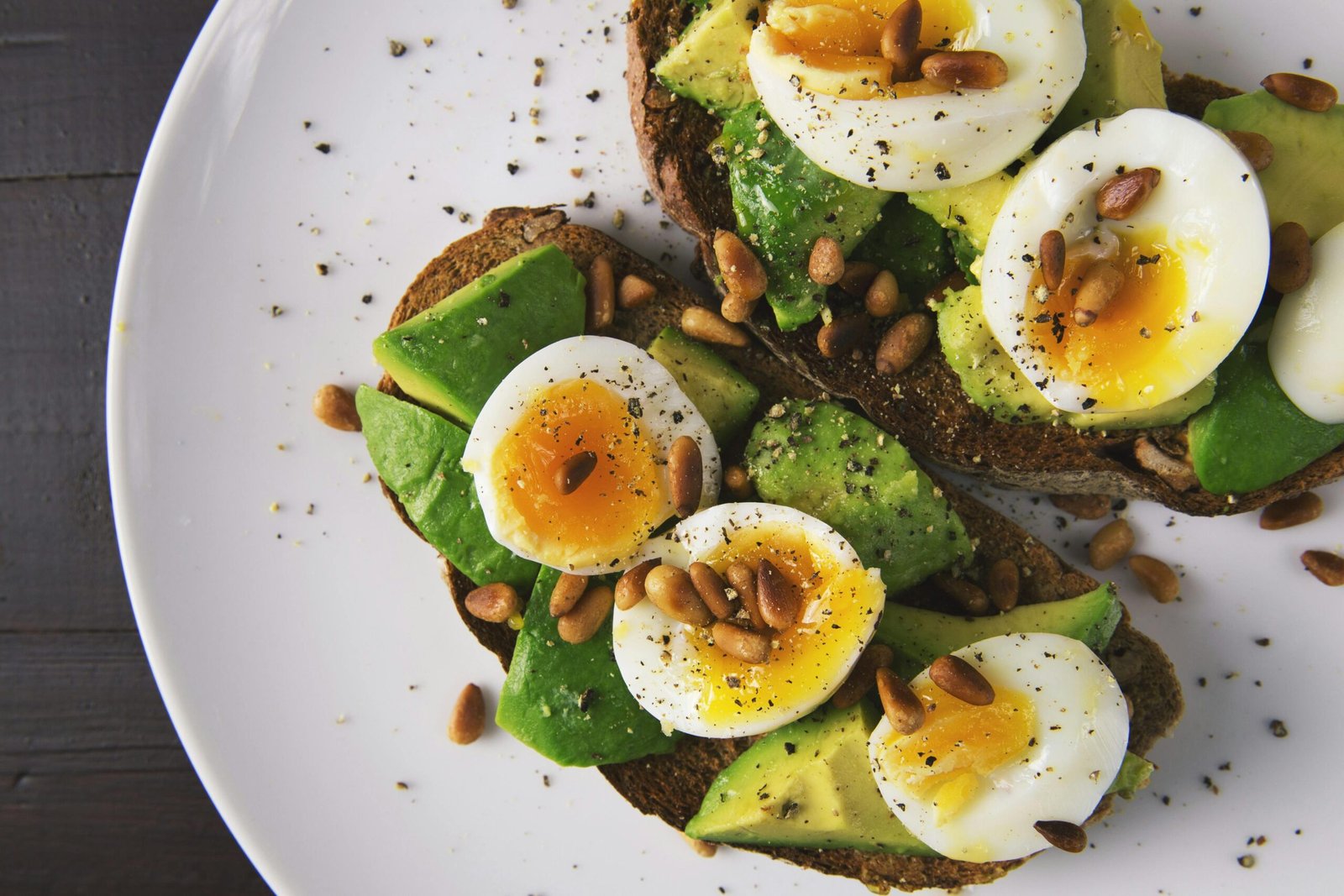
Turns out, some of us might be hobbling through our training blocks not because we’re overtraining, but because we’re undereating. A proper study just confirmed it — and it’s making me rethink more than a few toast-heavy breakfasts.
The Science Bit (Don’t Worry, I’ll Keep It Short)
A bunch of researchers recently analysed data from nearly 6,000 adult distance runners. This wasn’t some fluff piece; it was a systematic review and meta-analysis, which is science-speak for “we checked everything and took it seriously.”
They looked at food intake, disordered eating patterns, and running injuries — both the general soft-tissue kind (hello tight calves) and the more alarming bone stress injuries (the kind that get you stuck on the sofa for 6 weeks with a grumpy mood and a bag of frozen peas).
Here’s what they found:
- Female runners who got injured ate, on average, 303 fewer calories per day than those who stayed injury-free.
- They also ate 20 grams less fat per day.
- Across both sexes, low fibre intake was also linked to injury risk.
- Protein, carbs, calcium, and even alcohol? No consistent pattern (though I wouldn’t build a fuelling strategy around lager just yet).
Interestingly, while disordered eating was monitored, it wasn’t consistently linked to injury risk — at least not in women. Data on men was too thin to say much.


What This Means for Runners Like Us
In plain terms: if you’re racking up the miles but not fuelling properly, your body might just decide to pack it in.
Especially if you’re a woman. Especially if you’re over 40. Especially if your version of “healthy eating” involves skipping meals and still expecting your legs to carry you through 10K with zero complaints.
And before anyone gets smug: I’ve been guilty of this too. Running first thing, not eating properly after, and then wondering why my calves feel like knotted rope for two days.
Not Enough Calories = Not Enough Recovery
This isn’t about overeating. It’s about enough eating.
When you train hard — or even moderately — your body needs fuel to repair, rebuild, and keep going. If you’re regularly under-fuelling, it starts quietly falling apart. Think niggles, tightness, fatigue, and yes, those annoying injuries that sneak in and overstay their welcome.
And here’s the kicker: most people don’t realise they’re under-eating.
Not on purpose. Just… gradually. Life gets busy. Appetite isn’t great after a long run. You start skipping snacks. You try to “be good” during the week. Next thing you know, your foot hurts for no reason and you haven’t had anything with actual fat in it since last Saturday.
Stop Being Scared of Fat
That 20g difference in fat intake among injured female runners? It’s not nothing.
Fat isn’t the enemy. It’s not going to cancel out your run or derail your progress. It helps with hormones, energy storage, and recovery — three things that become even more important when you’re past 40 and no longer bouncing back like a teenager.
So if you’ve been skipping the peanut butter, avoiding oil, or buying the fat-free version of everything “just in case” — you might actually be making yourself more injury-prone.
Eat the fat. Your joints will thank you.

- ✔ WHY NUTRAVITA’S VITAMIN D3 K2 TABLETS – Our expert formulation of D3 and K2 vitamin at 1 vegetarian tablet per day pro…
- ✔ VITAMIN D3 AND K2 AS NATURAL PARTNERS – The Vitamin D in our Vitamin D3 4000 iu and K2 100 mcg supplement helps in the…
- ✔ EASY-TO-SWALLOW, VEGETARIAN TABLETS – Our supplement comes in 180 easy-to-swallow tablets which are also suitable for …
Fibre: Not Just for Your Nan
The study also found that people with lower fibre intake were more likely to get injured. That one surprised me, but it makes sense.
Fibre isn’t just about keeping things moving in the loo. It helps regulate blood sugar, keeps inflammation down, and supports gut health — which, in turn, supports your immune system and recovery.
You don’t need to drown in lentils, but throwing in some oats, fruit, and vegetables regularly is a decent place to start. Just don’t overdo it before a long run unless you enjoy sprinting for the nearest bush halfway through your 10-miler.
Midlife Bodies Need Midlife Fuel
In your 20s, you could maybe skip breakfast, eat a cereal bar for lunch, and still run 5 miles without imploding.
In your 40s? Not so much.
We lose muscle faster, recover slower, and often have more stress to contend with — which also saps energy. Add running into the mix, and you’ve got a body that’s crying out for actual fuel, not just caffeine and good intentions.
So here’s the new mantra:
Food isn’t separate from training. It is training.
Skipping meals, cutting corners, or trying to “run off” what you ate doesn’t belong in this stage of life. It’ll just get you hurt.
How to Tell If You Might Be Under-Fuelling
No need for obsessive tracking — but here are a few warning signs:
- Constant fatigue, even after rest days
- Persistent soreness or tightness
- Sudden dips in performance
- Mood swings (worse than usual)
- Recurring injuries, especially stress-related ones
- Poor sleep or low appetite
If any of that sounds familiar, it might be time to look at your plate, not just your training plan.
Final Thoughts: Eat Like You Give a Toss About Your Body
You don’t need a personal nutritionist or a perfectly dialled-in macro split.
You just need to eat enough, consistently, and without fear.
That means:
- Prioritising meals, not skipping them
- Including a balance of carbs, protein, and fat
- Eating after your runs, not just before
- Listening to your body instead of punishing it
This study is a decent reminder that running isn’t about how little you can eat while still moving forward. It’s about fuelling enough to run well — and for the long haul.
So eat the toast. Add butter. Have a snack. Run strong.
Injuries suck. Sandwiches don’t.