

When I first got back into running, I thought I just needed to be consistent. Get out three times a week, add a long run on Sundays, mix in some strength work — job done.
And that worked. For about three weeks.
Then my hip started grumbling. My sleep went weird. I felt permanently “not injured, but not right.” And I realised something important:
I’m not 25 anymore.
I can’t train like a 25-year-old. I can’t recover like one either. And the sooner I stopped pretending otherwise, the better things started to feel.
This post is about exactly that — how training in your 40s is different, what’s worked for me (and what hasn’t), and why accepting your current energy levels isn’t giving up — it’s getting smarter.
You Can’t Out-Stubborn Fatigue
In my 20s, if I felt tired, I’d just ignore it. Power through. Throw down a strong coffee, smash out a workout, maybe feel a bit ropey afterwards, but nothing a decent night’s sleep wouldn’t fix.
In my 40s? Nope.
Try to run through proper fatigue now and I don’t just feel sluggish — I feel wrecked. My legs feel like concrete. My brain checks out. Recovery takes days, not hours.
I used to think that meant I was just unfit. Turns out I was just under-recovered.
Now, I take tiredness seriously. If I’m feeling off, I swap a run for a walk. Or a nap. Or sometimes just a slow stretch session in front of the telly. It’s not weakness — it’s strategy.
Rest Isn’t Optional
I used to hate rest days. They made me feel like I was slacking off. Like I was going to lose all my progress in 24 hours and be back to square one.
Now? I look forward to them. I plan them. I protect them.
Because here’s the thing: your body does the work during the rest. That’s when it repairs, rebuilds, and adapts.
Skip rest, and all you get is a slow spiral of niggles, exhaustion and zero joy. Ask me how I know.
Strength Training Helps More Than I Wanted It To
I’ll be honest — I didn’t want to lift weights. I wanted to run.
But after one too many runs where my knees felt like they’d been borrowed from an antique shop, I gave in and started doing some strength work.
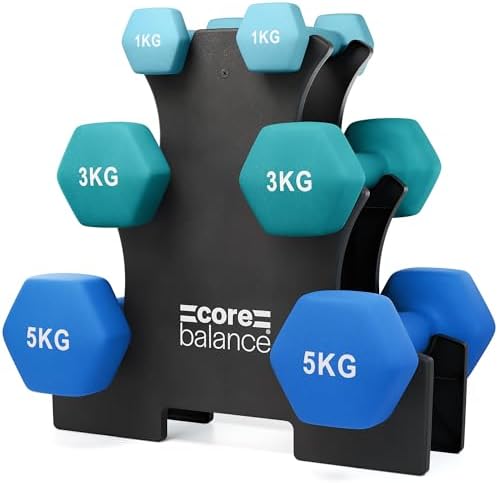
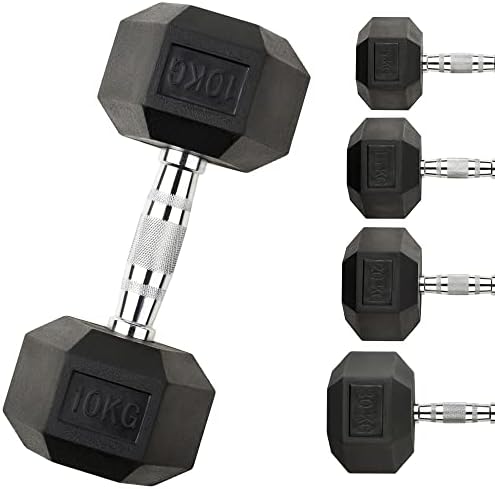
Not gym bro stuff. Just resistance bands, bodyweight squats, a few light dumbbells. Twice a week.
The difference was ridiculous.
My joints feel more stable. My posture’s better. I don’t get that post-run hobble anymore. And I don’t pull things as often just by sneezing too hard, which I consider a win.

Running Slow on Purpose? Yes, Actually.
It took me longer than I’d like to admit to accept that most of my runs needed to be slower.
I thought pushing harder = getting fitter.
But running slow (properly slow, not “a bit less fast”) has helped me build endurance, avoid burnout, and actually enjoy being out there.
I still do speed work now and again, but only when I’ve slept well, eaten properly, and feel up for it. The rest of the time, it’s just about movement, consistency, and not falling apart.
Nutrition Needs More Attention Now (Annoyingly)
You can’t fuel 40-something training with leftover pizza and strong tea. Well — you can, but you’ll feel like death afterwards.
I’ve had to get more deliberate about food. More protein, more carbs around runs, less pretending three coffees is a meal.
Not perfect by any stretch, but I’ve noticed that when I eat properly, everything feels easier. I recover faster. My mood holds up. And I don’t find myself demolishing half the snack cupboard at 10pm.
Also — hydration matters now. If I skimp on water, I feel it. Headaches, crankiness, sluggish runs. Didn’t used to be the case, but welcome to midlife.
You Don’t Have to “Earn It” Anymore
When I first started running again, I had this idea that I needed to prove something — to myself, maybe to others.
Every run had to be a grind. Every workout had to leave me wrecked. If I wasn’t sweaty and sore, had I even trained?
Now I think differently.
I train because I like feeling good. I run because it clears my head. I do strength work so I can still tie my shoelaces without pulling something when I’m 60.
Not because I hate my body. Not to punish myself. Not to “earn” food.
The effort is still there — but the mindset has shifted. And that shift makes everything feel more sustainable.
Accepting Limits Isn’t Giving Up
This was a hard one.
I had to accept that I need more sleep now. That three hard sessions in a row isn’t a good idea. That if my knee twinges, it’s not being dramatic — it’s being helpful.
There’s still a part of me that wishes I could recover like I used to, bounce back like I did at 25, train hard without needing to foam roll like a pensioner.
But the rest of me? The grown-up part? Knows that playing the long game is what matters now.
Longevity > ego. Always.

Final Thoughts: You’re Not Broken — You’re Just Not 25
If you’re in your 40s and training like a machine but constantly tired, sore or frustrated — you’re not doing it wrong.
You’re just not 25.
And that’s fine. More than fine, actually.
You’ve probably got more mental resilience now. More self-awareness. More motivation to look after your health, not just chase performance.
So give your body what it needs — not what your 25-year-old self thought was hardcore.
Sleep well. Lift things. Run slow. Take breaks. Eat properly. Say no to 6am hill sprints if you’ve been up half the night.
And keep going. On your terms. With your knees still intact.