
Foam rolling is something that you should certainly be doing. Take it from the newly converted one!
Midlife Mile
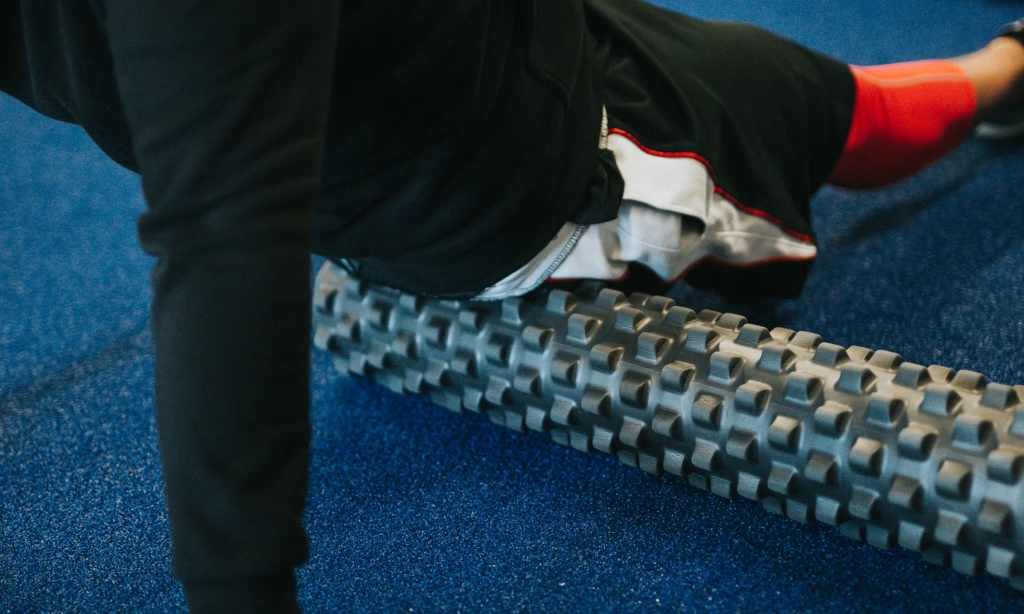
I used to think foam rolling was one of those things only proper athletes did. You know — people with six-packs and YouTube channels. But after one too many post-run hobble-fests, I finally gave it a go.
Now I’ve got a love-hate relationship with this weirdly firm cylinder. Mostly hate. But it works, and I keep doing it because it helps my legs feel less like they’ve been through a cement mixer.
If you’re a runner over 40 (or frankly just a human with muscles), here’s why a foam roller might be your new best mate — even if you shout at it sometimes.
What Foam Rolling Actually Does (Without the Science Lecture)
Foam rolling is basically self-massage for people who can’t afford weekly sports physio. You roll slowly over your muscles to release tension and help them recover faster. That’s the simple version. No lab coats required.
It can help with:
- Soreness — that delightful next-day ache after hill repeats? Rolling helps ease it.
- Mobility — it makes everything feel less stiff and creaky.
- Circulation — blood flow improves, which is good news for recovery.
- Getting up the stairs the next day — which is honestly all I care about.
You don’t need to do it for long — even ten minutes after a run can make a difference.
The Main Bits to Focus On
If you’re wondering which bits to roll and which to leave alone, here’s the cheat sheet I wish someone gave me before I started:
Roll these:
- Quads (front of thighs)
- Hamstrings (back of thighs)
- Calves (the screaming ones)
- Glutes (sit on the roller and try not to swear)
- Hips (focus on the sides, not the front)
- Upper back (avoid the spine itself)
- Feet (use a small ball, not the roller unless you’re into pain)
Skip these:
- Joints — no knees, no elbows, no spine
- Injuries — if something feels wrong, don’t poke it with a foam roller
- IT band — it’s connective tissue, not muscle, and rolling it usually just hurts for no reason
How to Foam Roll Without Regretting Everything
1. Start light
If you’re new to this, go easy. You’re not trying to punish your legs — just coax them into behaving. Start with a soft roller and short sessions.
2. Roll with the muscle
That means up and down the muscle, not across it like you’re tenderising meat.
3. Pause on the tight bits
Find a sore spot? Hang out there for 10–20 seconds, breathing like someone who’s pretending not to be in pain.
4. Don’t overdo it
30–60 seconds per muscle group is plenty. You’re not trying to roll yourself into oblivion.
5. Before and after runs is ideal
Light rolling before a run can help warm things up. Heavier rolling after helps cool everything down. Don’t skip both and then wonder why your legs hate you.
Mistakes I Made So You Don’t Have To
Going full barbarian mode
You’re not supposed to win at foam rolling. If it feels like torture, you’re pressing too hard.
Only rolling after long runs
Turns out tight calves don’t care if you only ran 3K. Consistency is better than heroic sessions once a month.
Rolling every day when sore
More isn’t always better. If your legs feel bruised, rest them. Foam rollers are tools, not punishment devices.
Ignoring the glutes
Don’t. Your bum is doing more work than you think on every run, especially if you’re tackling hills (or stairs, or standing up too quickly). Rolling it helps everything else.
Tools That Help (and Won’t Take Up Half Your Lounge)
You don’t need a home gym. Just a few basics:
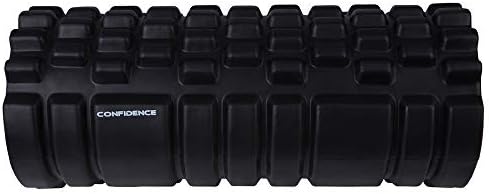
- Full-size foam roller — good for legs and back. Go for medium firmness if you’re over 40 and value your dignity.
- Massage ball — brilliant for glutes, feet, and hips.
- Peanut-shaped roller or double ball — great for the upper back, especially around your shoulder blades.
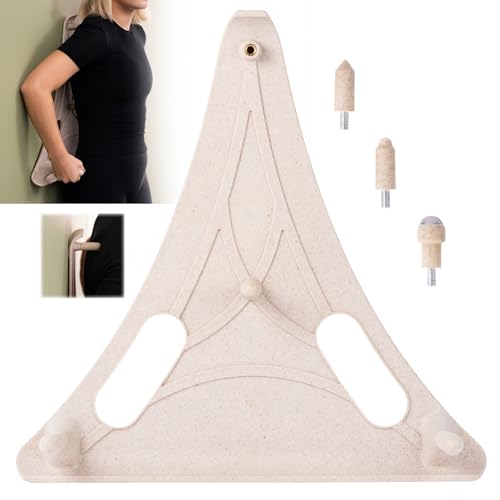
If you’re after solid gear that won’t fall apart or feel like concrete, this Amazon list is a good place to start:

My Quick Foam Rolling Routine (aka The “I Can’t Be Bothered” Version)
This is what I do when I’m short on time or enthusiasm — which is most days:
- Quads – 30 seconds each leg
- Calves – 30 seconds each (or one at a time for more pressure)
- Glutes – 45 seconds each side, using a ball
- Upper back – slow roll for 30 seconds, avoiding the spine
- Feet – quick roll with a ball while watching TV
Total: about 8–10 minutes. Manageable, effective, and just enough to stop me walking like a cowboy the next day.
When Not to Foam Roll
A few caveats, just in case:
- If you’ve got an actual injury, especially anything sharp or swollen, don’t roll it — go see someone who knows what they’re doing.
- If you’re on blood thinners or have nerve issues, check with your GP first.
- If it feels wrong, stop. Recovery tools should help, not make you fear sitting down.
Final Thoughts (While Lying on the Floor in a Heap)
Foam rolling is annoying, slightly painful, and easy to forget. But it’s one of those small things that adds up — like drinking more water or actually stretching after a run.
It won’t make you faster. It won’t replace a proper warm-up. And it definitely won’t undo that long weekend of questionable food choices.
But it will help your legs feel more like legs and less like bags of cement — which, if you’re running in your 40s (or older), is basically priceless.
So yes, it hurts a bit. Yes, you’ll make strange noises. But trust me — your future self will thank you.