
I was genuinely surprised with what creatine has to offer. No need to be a gym bro to feel the benefits.
Midlife Mile
If you’d asked me six months ago whether I’d ever take creatine, I’d have laughed and told you that stuff was for lads at the gym who call each other “bro” and wear string vests in winter.
I knew it existed — vaguely. I thought it was for bulking up, building muscle, looking big in mirrors. And as someone who runs mostly to feel less knackered and maybe outpace a hangover, I didn’t see how that had anything to do with me.
But then I hit a wall.
When recovery gets slower, you start looking for answers
I’m 44. Not old, but not exactly bouncing back from runs like I used to. I’d finish a session and feel heavy-legged for two, sometimes three days. Easy runs felt harder. Soreness lingered. Motivation dipped. I wasn’t injured — just permanently on the edge of feeling a bit worn out.
I started reading. Nothing extreme — just seeing what runners my age were doing to recover better. One thing that kept coming up, over and over, was creatine.
Not for bulk. Not for beach muscles. But for energy, recovery, and long-term performance.
So I gave it a go.
But first, I wanted to understand what it actually does — not just the marketing pitch.
A quick explainer: what creatine actually does
Now, I did look into the science a bit — but don’t worry, this isn’t going to turn into a biology lecture. I just wanted to understand why so many people were recommending it, especially for runners in their 40s and 50s.
So here’s the short version:
Creatine is a naturally occurring compound — your body makes it already — and it lives mostly in your muscles. It helps produce ATP (adenosine triphosphate), which is basically your muscles’ go-to energy source for short, sharp efforts — like sprinting, hill climbs, or even just powering through the last bit of a long run.
When you take creatine as a supplement, you’re basically topping up your body’s energy reserves, which helps you:
- Push a bit harder during training
- Recover faster between efforts
- Reduce overall fatigue and soreness
No hype, no crazy claims — just more fuel in the tank when you need it, and a bit more resilience when you don’t.
But here’s the bit that surprised me…
It’s not just about training. Research suggests creatine might help with:
- Cognitive function (especially under fatigue or sleep deprivation)
- Preserving muscle mass as you age (hugely relevant after 40)
- Reducing injury risk by helping muscles stay stronger under load
- Bone health, through its impact on muscle strength and density
- Even mental health, in certain contexts — early studies have linked it to reduced symptoms in depression, although that area’s still being researched
I didn’t start using creatine expecting any of that. I just wanted my legs to feel less cooked after a Sunday long run. But knowing it might also be helping me hold on to muscle, support my brain, and stay active long-term? That made it feel a lot less like a gimmick and a lot more like a smart bit of supplementation.
Why I finally gave it a shot
The tipping point for me was a long run that left me absolutely wiped. Not in a satisfying, “good workout” way — just flat. I felt drained for the next two days. Everything ached. I didn’t want to move.
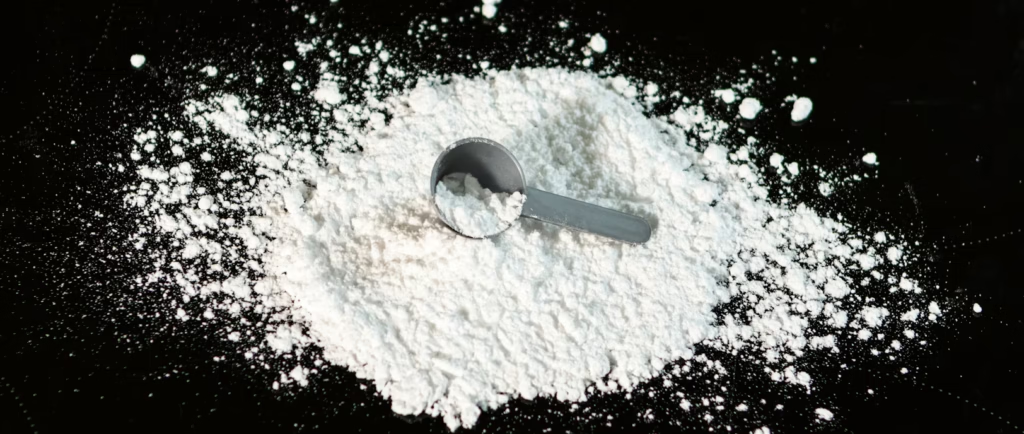
So I bought a tub of creatine monohydrate — the standard, cheap, no-frills version. No flavouring, no branding hype, just plain white powder.
I started taking 5g a day, once a day, usually in water or with a smoothie. No loading phase. Just daily use.
I kept everything else the same — same running schedule, same food, same foam roller lying untouched in the corner.
What actually happened
About two or three weeks in, I noticed a shift.
It wasn’t dramatic. But I started feeling less sore after runs. My legs felt like they bounced back quicker. I could run a midweek 5K and not feel like I needed two full days off just to walk normally.
I wasn’t suddenly faster, but I was recovering better. And for a midlife runner, that makes everything more doable. You don’t dread the next run. You don’t wake up wondering if you’ve pushed too hard. You just feel a little more ready.
And that’s worth quite a lot, actually.
A few things to know if you’re thinking of trying it
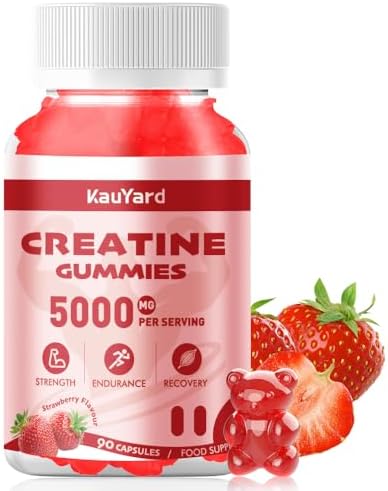
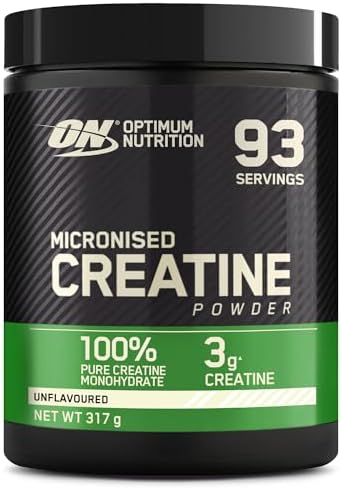
- Stick to creatine monohydrate. It’s the most studied, safest, and cheapest form. Ignore anything that says “ultra micro-enhanced turbo blend.”
- It won’t make you bulky. You might hold a little extra water in your muscles at first (a good thing), but it’s not going to puff you up or change how you look.
- It works gradually. You need to take it consistently. You won’t feel anything for the first week or two.
- Stay hydrated. Creatine pulls water into your muscles, so drinking enough helps it work properly.
- Check with a doctor if you’re on medication or have kidney issues. Most people are fine, but it’s always worth confirming.
Final thoughts: it’s not magic, but it helps
Creatine hasn’t transformed my running — I still have tight calves, I still make old-man noises getting off the sofa, and I still question my life choices during hill repeats.
But it’s helped me recover quicker. It’s made back-to-back runs feel possible. And it’s given me a bit of confidence that I’m not just surviving the process — I’m supporting it properly.
For me, creatine’s moved from “nah, not for me” to “quiet MVP of my kit drawer.” Not flashy, not exciting, but genuinely useful.
If you’re a runner in your 40s or beyond and you’re starting to feel the strain — whether it’s slower recovery, more soreness, or just wanting a bit of backup for your body and brain — it might be worth a look.