
I didn’t take up running because I wanted to get stronger. I took it up because I wanted to lose some weight, feel a bit better, and not get out of breath going up the stairs.
Strength training? That felt like something other people did. Gym people. CrossFit people. People who said things like “glutes firing” without irony.
For ages, I ignored it. I figured running was enough — surely pounding out a few kilometres would take care of everything?
Spoiler: it didn’t.
Here’s why I’ve finally added strength work into my week, what it’s done for me, and why I think it matters if you’re running in your 40s or beyond — even if, like me, you’d rather not be doing lunges in your living room.
The Wake-Up Call (Also Known As My Knee)
A few months into running, my knee started to complain. Not in a dramatic, “you’ve done serious damage” way — more like a grumpy teenager slamming the door every time I went out for a run.
It turns out the issue wasn’t my knee at all. It was everything around it — weak hips, lazy glutes, tight calves, you name it. I was asking my body to handle regular impact without giving it the stability to cope.
Cue the physio appointment. Cue the sentence I now hear in my sleep:
“You need to do some strength work.”
The Basics: What Strength Training Actually Means
Let’s clear one thing up — strength training doesn’t mean becoming a bodybuilder or lifting heavy things in a dark gym while someone shouts “one more rep”.
For runners, especially those of us over 40, strength training means:
- Bodyweight exercises like squats, lunges, and planks
- Resistance band work to activate underused muscles
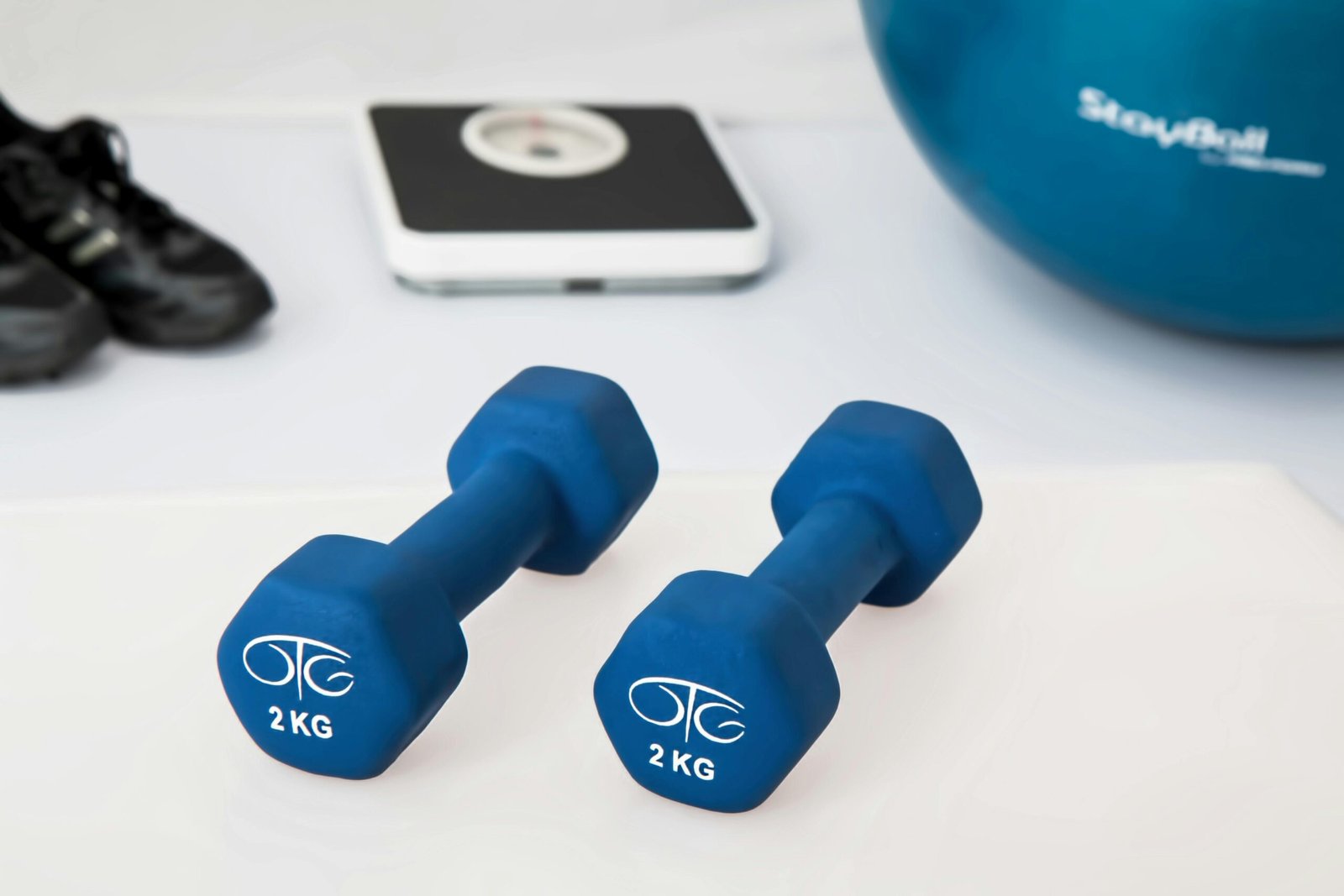
- Basic dumbbell moves for balance and joint support
- Core work to stop us running like collapsing marionettes
You can do most of it at home, in about 20 minutes, with zero background in fitness.
And no, you don’t have to be “good” at it. I still fall over sometimes trying to balance on one leg. Doesn’t matter. It works.
Why It Matters More After 40
Our bodies change as we get older — you’ve probably noticed. Muscle mass naturally declines, recovery takes longer, and joints become a bit more, let’s say, “opinionated.”
Strength training helps reverse some of that. It supports your running, protects you from injury, and makes everyday movement easier.
Here’s what I’ve noticed since I started doing it regularly (twice a week — nothing extreme):
- Less knee pain
- More power up hills
- Fewer aches after runs
- Better posture and balance
- And, unexpectedly, better sleep
It’s like adding suspension to your car. You can keep going without feeling like your body’s rattling apart.
How I Fit It In (Without Losing the Will to Live)
I keep it simple. No fancy programmes, no hour-long gym sessions. Just 20–30 minutes twice a week, usually at home, usually wearing whatever I woke up in.
I follow a basic YouTube routine — one that doesn’t require jumping or equipment I don’t own — and I stick to the same few moves:
- Squats (or chair squats when I can’t be bothered)
- Glute bridges
- Step-ups (stairs work fine)
- Resistance band lateral walks
- Calf raises
- Planks (still hate them, still do them)
If I’m feeling energetic, I might throw in some light dumbbell work — overhead presses, rows, curls. If not, I just do the bodyweight stuff and call it a win.
Resistance Bands Are Your Friend
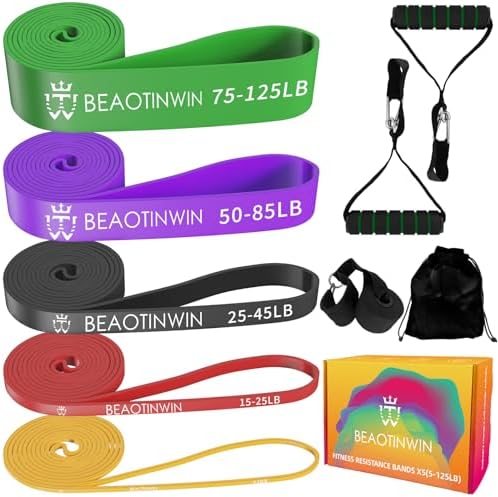
If you’re only going to buy one bit of kit, make it a set of resistance bands.
They’re cheap, don’t take up any space, and make the simplest moves way more effective. You can use them for:
- Glute activation (which helps with stability and knee alignment)
- Hip strength (which helps with balance and stride)
- Core control (so your back doesn’t take over when you’re tired)
The first time I used them, I was genuinely surprised by how sore I felt afterwards — in a good way. Turns out the muscles I thought I was using weren’t doing much at all. The bands woke them up.
![Resistance Bands, [Set of 5] Skin-Friendly Resistance Fitness Exe...](https://m.media-amazon.com/images/I/31abKfuG0hL._AC_.jpg "Why I Finally Started Strength Training (And Why You Probably Should Too)")

A Quick Routine That Actually Gets Done
Here’s a no-fuss strength session I can get through in about 25 minutes — no excuses, no equipment (apart from a resistance band if I’m feeling ambitious):
1. Bodyweight squats — 2 x 15
2. Glute bridges — 2 x 15
3. Side steps with band — 2 x 10 each direction
4. Calf raises — 2 x 20
5. Step-ups (use stairs) — 2 x 10 each leg
6. Bird dogs or planks — 2 x 30 seconds
You could do this in your hallway, your living room, even the garden if the weather’s being polite.
Strength Without the Ego
Here’s what I love about this kind of training: no one’s watching. There’s no leaderboard. You’re not chasing a PB. You’re just giving your body a better chance to hold up when you’re out running — and for all the other stuff in life too.
I’m not trying to build muscle for the sake of it. I’m trying to keep myself upright, avoid injuries, and feel solid in my own body. And strength training helps me do that — quietly, consistently, and without needing to become a gym person.
Final Thoughts (While Sitting on the Floor After Lunges)
If you’re over 40 and running regularly — even just a few times a week — strength training isn’t an optional extra. It’s the thing that keeps you running.
You don’t have to love it. I don’t. But I do it, because I like feeling strong. I like the confidence of knowing my body can handle the miles I’m asking of it.
So if you’re still resisting, start small. Do a few squats. Grab a resistance band. Try a short video. You might be surprised by how much of a difference it makes — even if you’re still grumbling through the planks like I am.