
With 5 stone down (and 3 still to go), I realised that running alone wasn’t going to be enough for the change I needed.
Midlife Mile
When I started running, I had one goal in mind: get healthier. That’s a polite way of saying I was heavier than I wanted to be, constantly tired, and slowly realising that ignoring my health was catching up with me.
So I laced up, hit the pavements, and thought, “Right — let’s run this weight off.”
And to be fair, some of it did come off. I moved more, sweated a lot, got sore in places I didn’t know existed — and eventually, the scale started to budge.
But after a while, I hit a wall. Despite running four or five times a week, nothing was shifting. My energy levels plateaued. I still felt sluggish some mornings, and every now and then I’d think, I’m doing all this exercise — why don’t I feel better than this?
Then it hit me: I was trying to outrun a bad diet.
And that never works. Trust me, I gave it a solid go.
Movement Is Magic. But It’s Not a Free Pass.
When you first start running, it feels like you’ve unlocked something. You burn calories! You sweat! You feel smug about your step count!
And you think — brilliant, now I can eat like a teenager and still lose weight.
I had weeks like that. I’d go for a 5K and then reward myself with whatever I fancied: biscuits, second helpings, “a little treat” that looked suspiciously like a full tub of ice cream. Because I’d earned it, right?
I even said things like:
“Well, I ran today, so I probably need the carbs.”
Except it turns out running 5K burns about 300–400 calories. And a double chocolate muffin is about 500. Do that maths a few times a week and suddenly you’re running in circles — literally and figuratively.
The Real Shift: Looking at What Went In
At some point — I think it was after stepping on the scales and seeing nothing had changed for two months — I realised I needed to look at food. Not in a guilty, joyless, diet-y way. Just… actually pay attention.
So I downloaded MyFitnessPal, mostly to prove that I was eating “pretty well, actually.”
Spoiler: I wasn’t.
Portion sizes? Massive.
Cooking oil? Glugged in like I was feeding a pub kitchen.
Little snacks? Constant.
Calories in “healthy” smoothies? Wild.
It wasn’t a disaster — I wasn’t living off takeaways — but there were a lot of extra bits that added up. I wasn’t fuelling my runs. I was undoing them.
Losing 5 Stone Took More Than Running
I’ve lost five stone so far. And yes, running played a big part. But here’s the honest truth: it was the food side that really moved the needle.
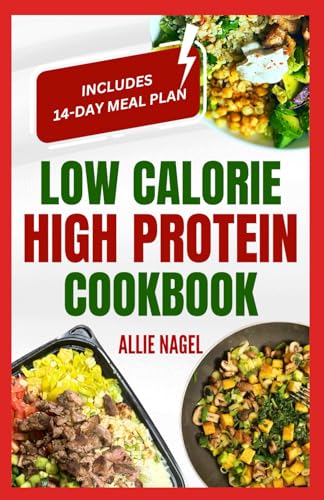
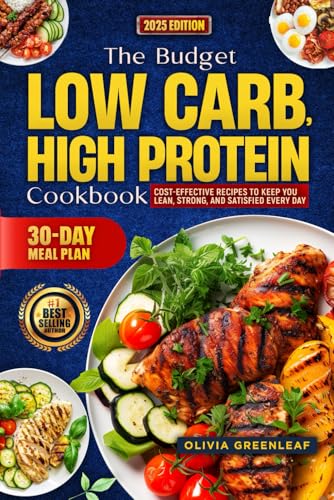
What worked wasn’t a strict diet. I didn’t cut out carbs or follow some influencer’s 42-step detox. I just started tracking what I ate, eating more protein, and being a bit more intentional.
Instead of eating like a Labrador let loose in a buffet, I started pausing. Asking things like:
- Am I actually hungry?
- Do I want this, or is it just in front of me?
- Will this leave me feeling better, or just annoyed at myself 20 minutes later?
Sometimes I still chose the chocolate. But I owned it. And I logged it.
That was a big shift — no guilt, just awareness.

It’s Not About Perfection
Here’s something I wish someone had said to me earlier: you don’t need to be perfect to make progress.
You don’t need to eat chicken and broccoli every day. You don’t need to hit your macros or drink green sludge or give up bread. You just need to make more good choices than bad ones, more often than not.
That means:
- Cook more meals at home
- Add some protein to your breakfast
- Don’t eat like every day is a weekend
- And if you’re tracking (like I do with MyFitnessPal), be honest — even on the dodgy days
I still have the odd takeaway. I still love crisps. I still say yes to cake sometimes. But now I know how to fit them in, rather than pretending they don’t count just because I went for a run.
Energy Feels Different Now
One thing that surprised me was how much better running feels when you eat properly. Once I started getting enough protein and cutting back on random snacking, my runs got smoother. Recovery got faster. I slept better. I wasn’t dragging myself through every session hoping I didn’t pass out in someone’s driveway.
Food is fuel. It’s a cliché, but it’s true. When I treat it that way, everything feels easier.
Even hills. (Okay, that’s a lie — hills still suck. But I get up them now.)
It’s Not All or Nothing — It’s This or That
The mindset shift that helped most wasn’t about being strict. It was about making swaps.
Not: “I’m not allowed this.”
But: “Do I want this more than that?”
Do I want the full pizza, or do I want to wake up tomorrow feeling a bit lighter on my feet?
Do I want the second beer, or do I want a decent run in the morning?
Do I want to pretend that protein bars are a substitute for actual food? (Answer: no. Never.)
It’s not restriction. It’s choosing. And it gets easier the more you do it.
Final Thoughts from a Former Denier
For ages, I convinced myself I didn’t need to “diet” because I was running. And to be fair, I didn’t need to diet — but I did need to look at what I was putting in my body.
Movement helps. Massively. Running changed my confidence, my mood, and my health. But it wasn’t until I sorted out the food side that the real weight loss started to happen.
So if you’re like I was — doing the work but not seeing the results — don’t write it off as a plateau.
Take a look at what’s on the plate.
You might be surprised. I was.
And now I’ve got five fewer stone to carry every time I lace up.